*For the purpose of this article I’m going to use the male pronoun to explain the methods but the same training will apply to a female animal as well. Praise can be replaced with “Good Girl”
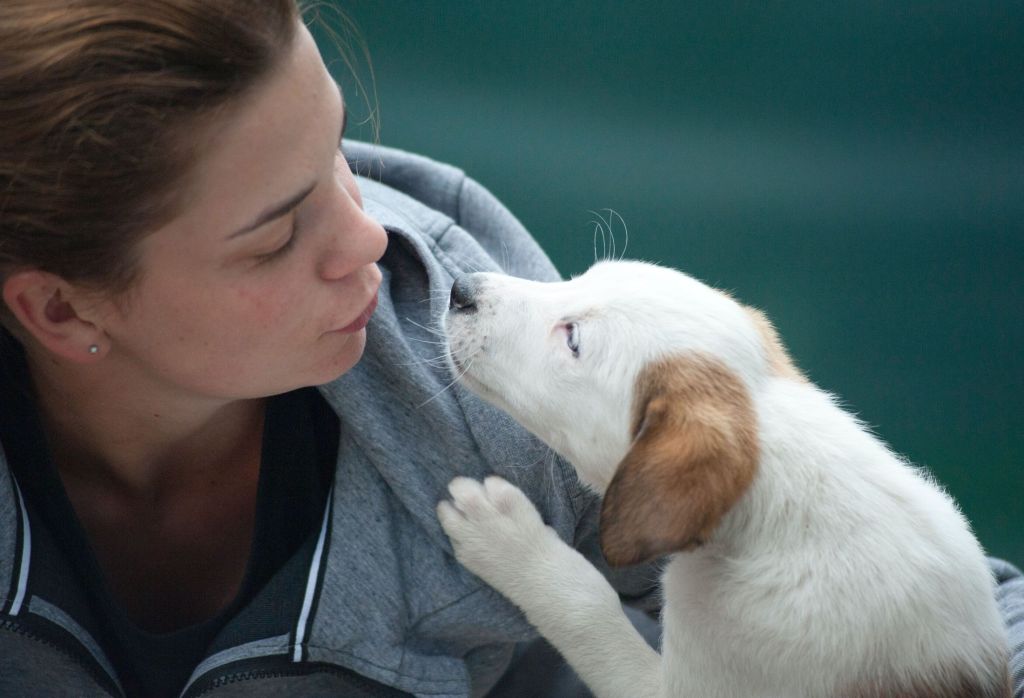
You just brought your new puppy or adult dog home, now what. It is essential that you acclimatise your new companion to your living space. Take him through all the rooms as well as the front and back yard. You will want to let him walk around and sniff until he is comfortable with his new surroundings.
Make sure to watch him the whole time to be able to stop any unwanted behaviour immediately. Bringing home a new dog or puppy is similar to bringing a baby or toddler into your house. Your house has to be adequately “puppy-proofed” to help your new dog stay out of trouble. Look around your house and see what you think puppies would want to chew on. Most dangerous is power cords for various electronics. Make sure it is inaccessible to your puppy. Pick up any shoes off the floor and store them in closets or on shelves. Take any poisons, solvents or cleaning fluids up off the floor and put them out of reach so that your new dog cannot mistakenly get into these products and get hurt. Don’t forget to cover the pool. Training a young puppy is a bit easier than training an older dog but the adage of you cannot teach an old dog new tricks are incorrect. It just takes them a little bit longer.
Positive Reinforcement
Training and socialization are an absolute must. Without your dog knowing where it fits into your world and how to behave, it will never be completely integrated into your lifestyle. You’ll have much more success with Positive Reinforcement using praise and reward than punishment.
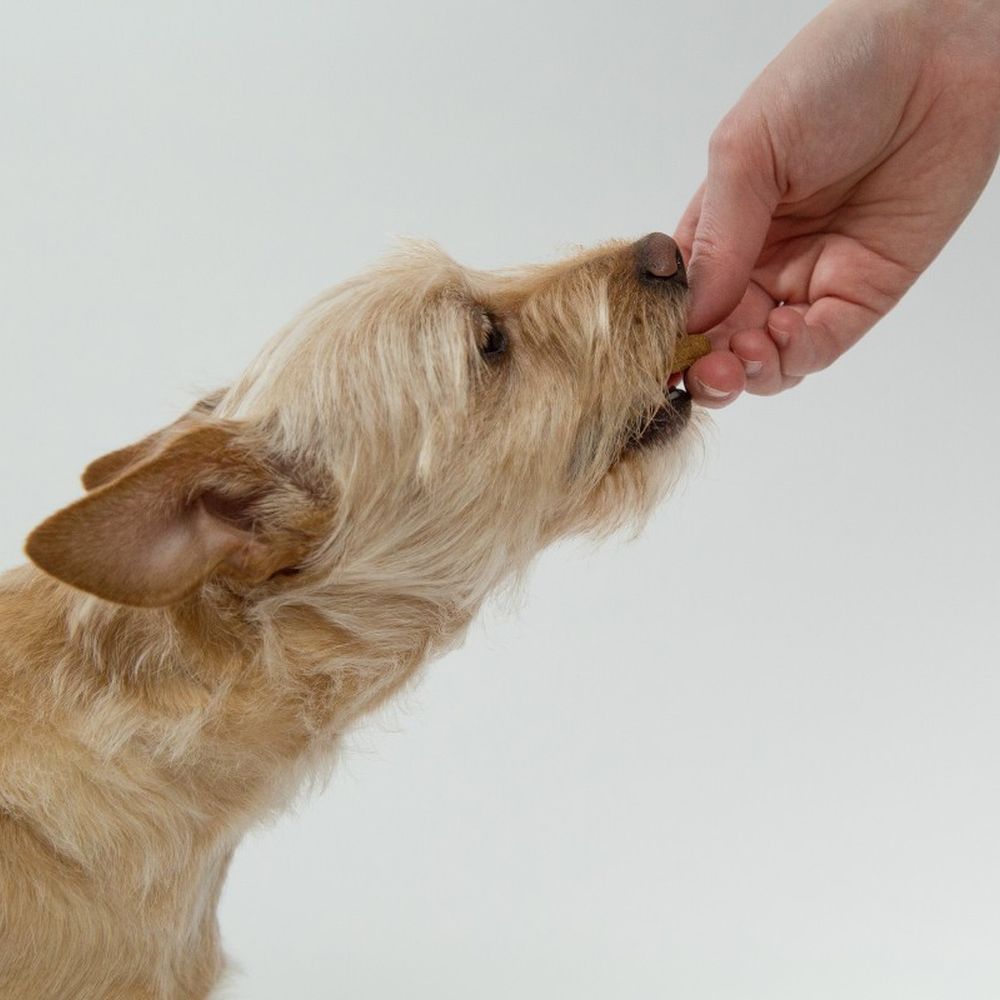
Punishment will only teach them to fear you. Training requires lots of patience but some breeds do learn faster than others. It would be a mistake to start with endless sessions as your puppy, like a small child, is incapable of concentrating for long periods of time. Start short and gradually increase the time you spend training. Remember that your dog responds to your body language. When you get frustrated or impatient, your dog will shut down as well. Stop and carry on again later. Training works better when it’s fun, for both of you. Reward small steps of progress and effort.

Potty Training
Your new dog will not arrive fully potty trained or house-broken. Even if it’s an older dog, they still will not know when or where you expect him to go. Once you understand that when your dog has an “accident” in an unsuitable place, it’s not their fault but yours. They do not go in the house to be vindictive or spiteful.
Dogs are not wired like that. A puppy needs to go every 2 or 3 hours when they are 6 to 8 weeks old. Expecting a pup not to have an accident during a long night is setting them up for failure. Be prepared to take your pup out at least once a night for a few weeks until they understand the concept. Routine is your best ally here as well as your command word. When your pup successfully relieves itself in the appropriate time and place, use your command word like “Wee” or whatever you want to use while they are doing their business followed immediate praise to let them know that they have done something right. When you decide on your command word, make sure it is something that can not be mistaken for anything other than what it is. Consistency and diligence are essential during the training process.
Chewing
Next up is teaching them what is okay to chew on and what is off limits. When puppies are teething, they like to chew just about anything… Remember that dogs go through teething behaviour twice, at about 3 to 5 months old and then again around 18 months old. To prevent puppies from chewing on
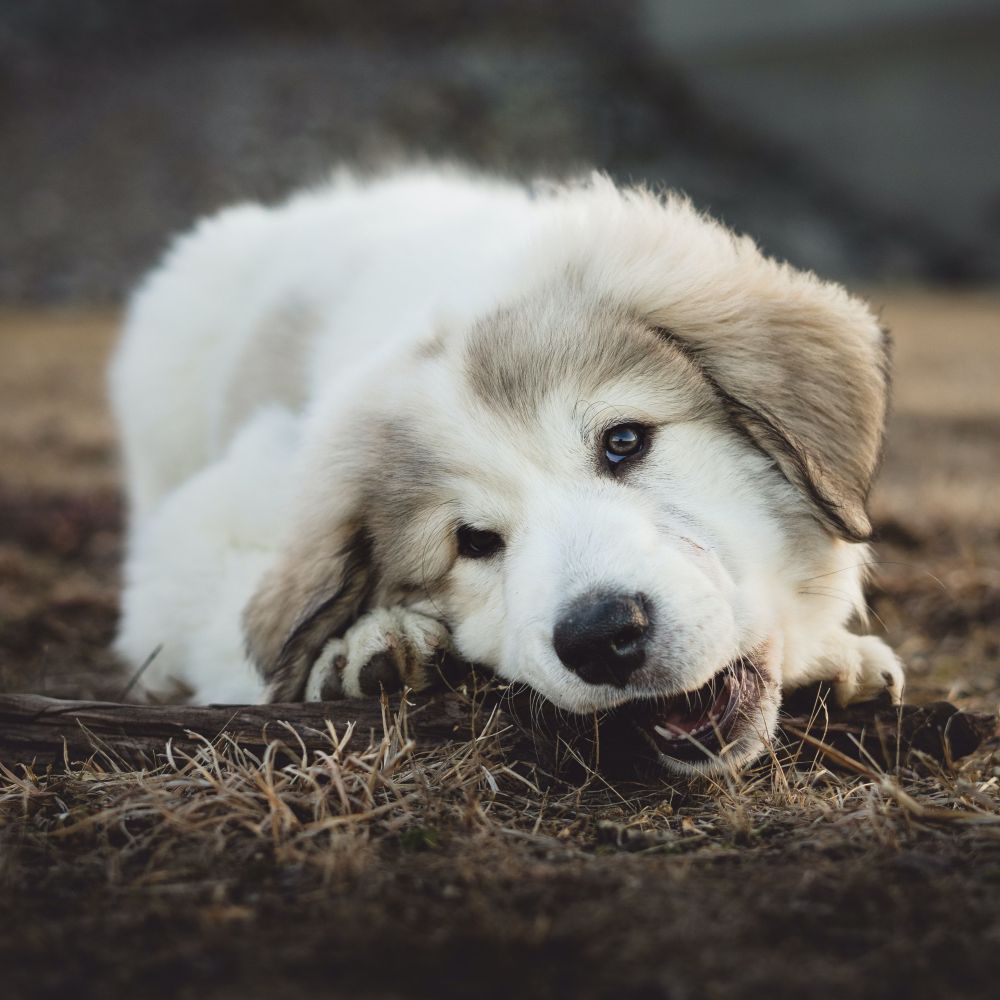
unwanted things, put them out of your puppy’s reach and replace the item with an acceptable toy. To allow your puppy to chew on an unacceptable item, will make it seem like allowed behaviour and it then becomes a habit for your puppy that is very hard to break. Furniture should be watched as it’s not easy to discourage once done. You have to have acceptable replacement items that your pup is allowed to chew on. It’s a good idea to keep all your dog’s toys in a basket or container in the same place, that your dog has easy access to. When your puppy is chewing on something that it shouldn’t, it is important to interrupt and intercede as soon as possible. Say “No” and remove the item, immediately replacing it with an acceptable toy on hand. Once the dog takes the toy, you want to praise the dog with “Good Boy”. Allow them to carry on chewing on the toy.
Leash training
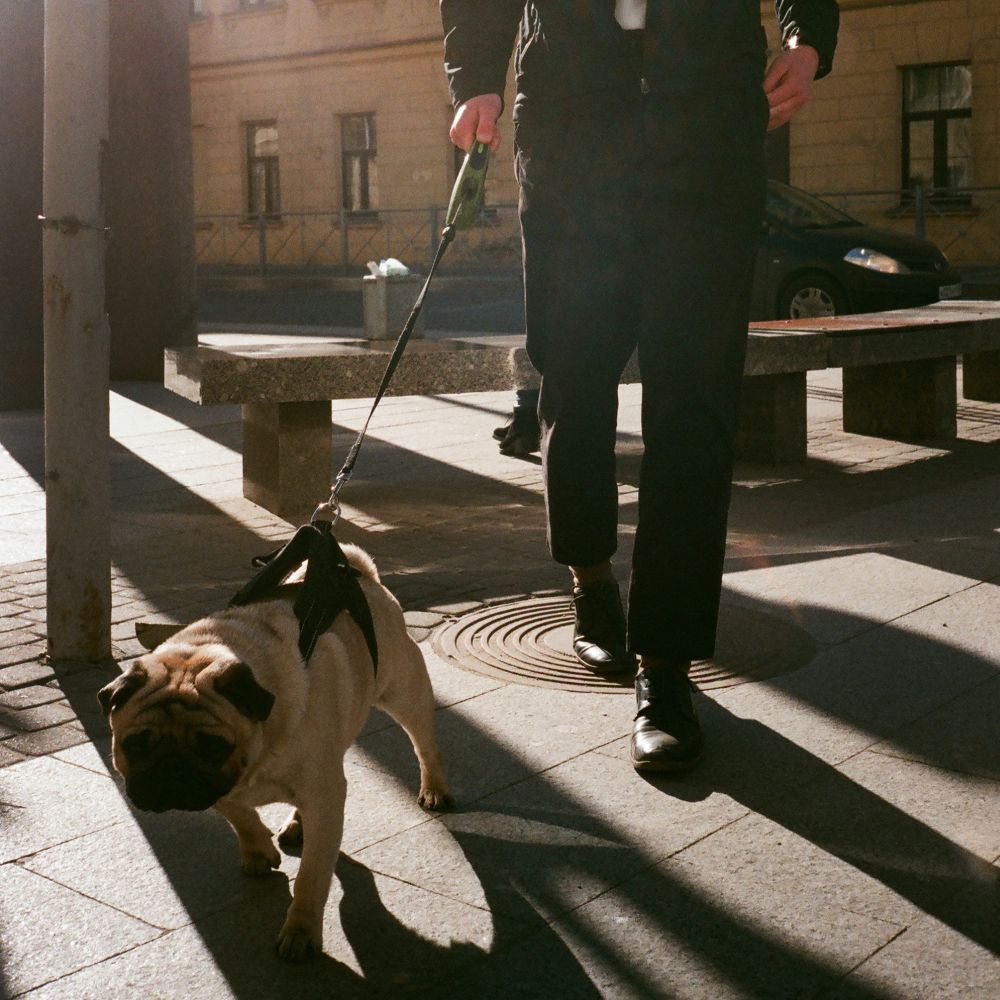
Leash training your dog is very important even if your dog will not be leashed regularly or will be going for a walk every day. Maybe your dog got out and has to be caught by a stranger, or needs an unexpected trip to the vet or he has to be kept on a leash for his own safety.
Teach him how to be leashed properly and it will make the experience better for both of you.
When buying a leash and collar, you must keep in mind what your dog looks like as well as it being age appropriate. For bigger dogs you’ll need a collar with strength and durability such as a wide leather collar. Nylon collars come in various colours and is light weight but if the collar is too narrow, it can cut into the folds of the skin when pulling. Leashes should match the collar in width and weight. Retractable leashes are only for use once your dog has been leash trained in full.
Choke collars or sometime called choke chains are used for old school style of training. Methods has developed beyond the use of using force and punishment for your dog to comply. If you insist on using a choke chain, make sure you always remove the choke chain after your training session because when caught on something the collar can lead to choking or even death by strangulation.
To start leash training, place your dog on your left side. Slip you fingers under his collar and move forward slightly keeping your dog next to you. Say “Heel” as you move forward and stop. You should always apply light pressure to the collar and never yank the dog by the leash. Praise the dog if it successfully stays by your side. Do not be harsh as they do not yet understand what you want them to do. Shouting at your dog will only cause it to cower and try to back away. If you have a treat you can also hold the treat in your left hand and let your puppy follow it. Again, say the word “Heel” softly and casually take a small step forward. Praise your dog for staying with you and repeat going a little bit further during every session. Sessions should be no longer than 2 to 5 minutes long with a maximum of 10 minutes a few times a day. Give your dog the treat when the exercise is executed correctly and play at the end of each training session to end it on a good note.
If you dog starts pulling against the collar, stop, wait, return him to his position by your side and then say ‘Heel’. Only continue walking when he’s in position. A dog can only carry on pulling if you carry on walking. They learn that by pulling, they will stop and not go anywhere. Eventually you can teach your dog to speed up or slow down with additional commands.
Socialization
Socialization is basically bomb-proofing your dog to live life. It includes everything from driving in the car, going to the dog park and interacting with other dogs, accepting the veterinarian as well as acceptable behaviour with other small animals. The first 2 to 6 months of your puppy’s life is the most
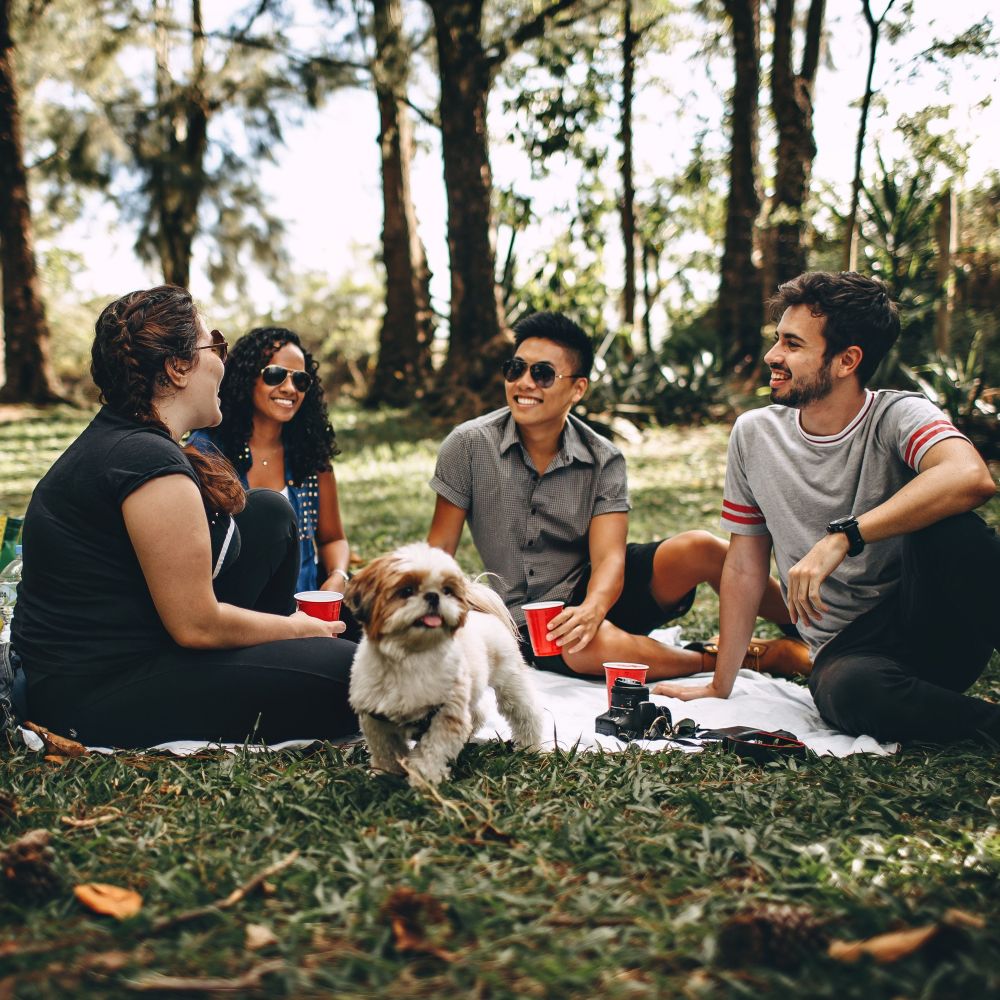
important time for socialization. Hopefully your puppy’s breeder has started the basics even before your pup left them. Lack thereof may lead to later problems like aggression or fear. Include your puppy in everyday tasks like a quick trip in the car and introducing her to other people and dogs when visiting friends. Encourage independence as well with alone time playing with his favourite toy. You will have fewer problems with attachment and separation anxiety later on in life.
Get him used to being handled in sensitive spots like the ears, paws, mouth and tail. Supervise proper interaction with children and avoid overwhelming situations with loud and rough children. Children must be taught to behave acceptably around animals as well. Introduce him to slowly to the unexpected with strange noises and sudden movements. Scary things like vacuum cleaners, bicycles, motorcycles, wheelchairs, thunder and lightning, fireworks should get extra attention but do not force him. If he cowers or hides, reduce the distance to the object until he calms down. Always be patient.
Socialization with rescue and older dogs, the objective is to behave calmly in public. Start by slowly introducing other dogs or objects at a distance until the dog calmly accepts it without over reacting. Enlist a friend with a calm well socialized dog to join you on walks for the older dog to get some guidance on behaviour. Always stay relaxed and pleasant and the dog will learn that there is nothing to fear. Many adult dogs that hasn’t had the interaction with other dogs when they were young, does not enjoy off-lead play with other dogs. They will find a busy dog park incredibly stressful and will cause lots of behavioural problems. Remember there’s nothing wrong with being a loner.
Basic Commands
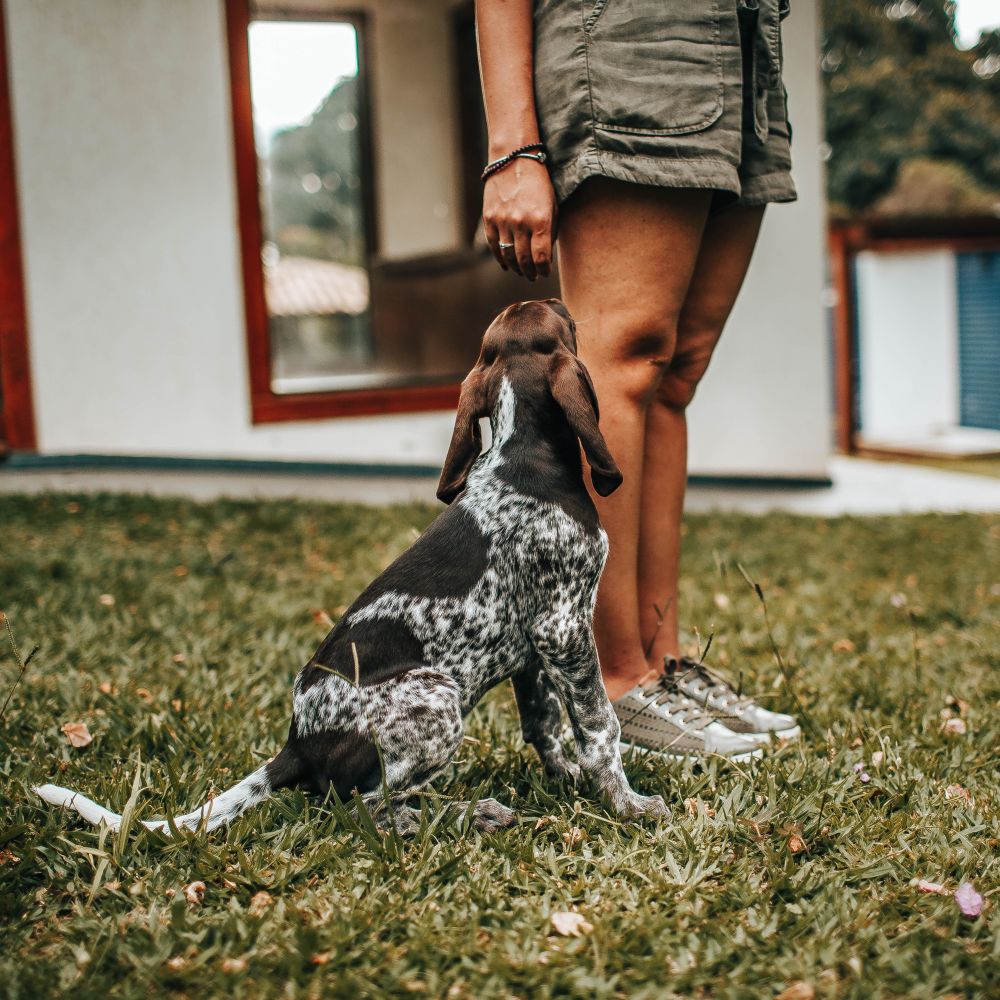
All dogs need to know some basic commands being their name as well as “Leave-it”, “No”, “Sit”, “Down”, “Stay”, “Wait” and “Come”. With this handful of commands, you’ll be able to successfully navigate basic everyday tasks. Simple one-word commands are best and can be reinforced outside of formal training
in everyday situations. Teaching your dog their name is a cue for “Hey! Look at me! I want to say something.” When training, say your dogs name to get his attention then give the command that you want him to follow. For example, you’re ready to leave the beach, “Rover!” (your dog looks up at you from where he was sniffing), “Come” (he should happily come running to you). You can now attach the lead and walk away from the beach.
Leave-it!
I’m of the personal opinion that “Leave-it” is one of the most important emergency commands to be taught especially to dog with high prey drive. It basically translates to “stop whatever you are doing right now!” Everyday application would be to when your hunting breed is chasing a cat or
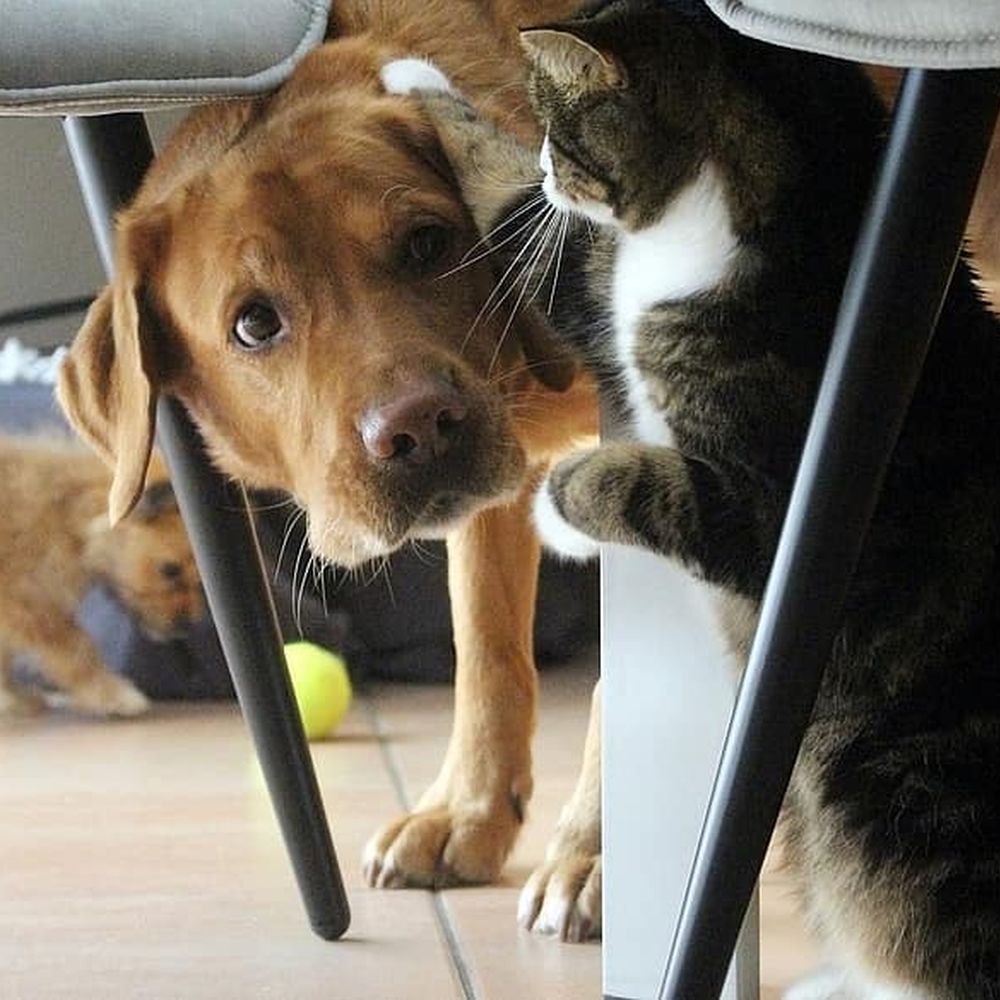
other small animal, your herding breeding is nipping at the heels of playing children or your scent hound is inching closer and closer to the dinner on the table. Being said loudly with authority in your voice lets him know immediately that it is not acceptable behaviour. Make sure to redirect the dog to do something that is considered acceptable like chase a ball instead. It has to be taught situationally since puppyhood.

No
“No” more applied to “don’t do it” but it’s not an emergency. Stop digging in the garden, don’t beg at the table, don’t chew on something or don’t climb on the furniture. “No” also needs to be followed on by a redirect example to go lie down in their own space during supper or fetch a toy.
Most dogs can learn up to 50 commands including instructions and redirects. It all depends on what you put into their understanding of it. Never hit your dog. They can not make a connection between the behaviour and the pain. Also, if you do not catch the dog in the act of what he is doing wrong, it doesn’t help dragging him back to his crime-scene. They are not able to connect the punishment with past behaviour.
Sit
When teaching your dog to “Sit”, the easiest way is with a treat in your right hand, hold your hand directly above his nose and slowly raise your hand above his head and say “Sit” in the process. The natural inclination is to look up while the bum goes down. Don’t force his bum down as it can lead to injury.
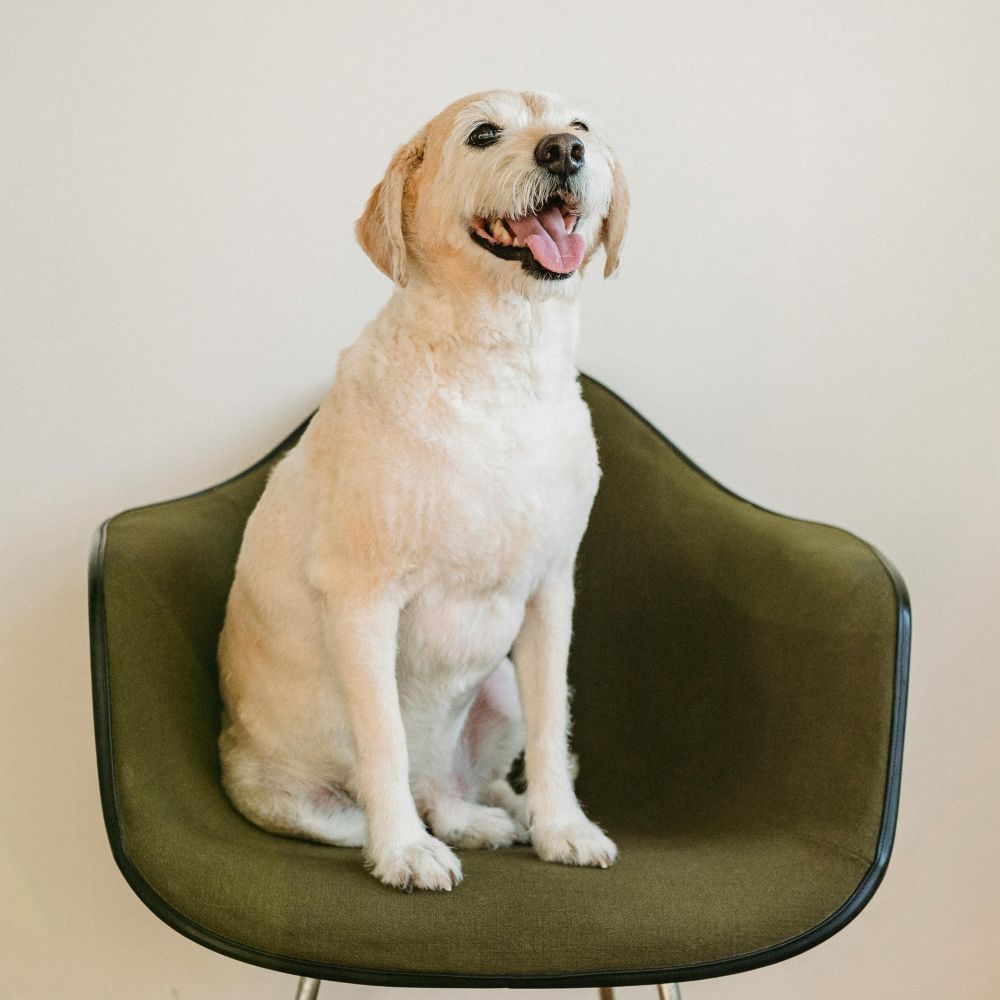
When your puppy’s bum hits the floor, praise him and give him the treat. During the first few sessions, don’t expect him to stay in the sitting position for too long. If he makes a mistake or continues to get up, do not shout at the dog. Remain calm and repeat until he understands what behaviour is the correct one. When the dog responds correctly praise with “Good Boy” Practice by asking him to sit before you give him anything or put his food down. Say the command only once or else he will not respond later until you’ve said it for the 100th time. Use only “Sit” and not “Sit down” as “Down” is a completely different command and he will get confused.
Down
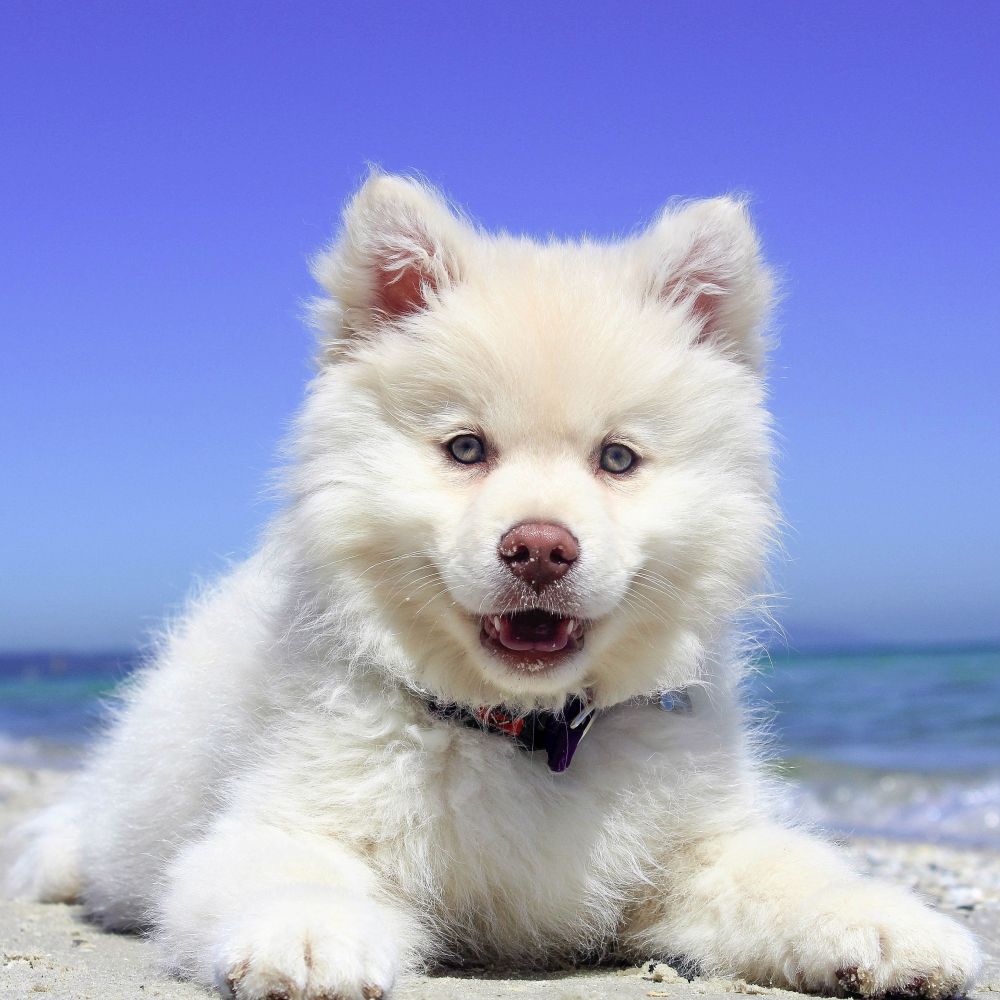
When “Sit” is well practiced, moving on to “Down” is easy. Ask your dog to “Sit”, with a treat in front of his nose, move your hand towards the floor, slightly forward between the front paws, while you say “Down”. When his chest touches the floor, praise and feed him the treat on the floor in the down position. If he lifts
his backside and gets up to follow the treat, put him back in the sit position first. When he successfully lays down, give him the treat and praise him with “Good Boy”
Stay
“Stay” can only be taught once your dog has mastered “Sit”. Put your dog in the “Sit” drop the leash and move away slightly, holding your hand in the stop position and saying “Stay” If your dog gets up, walk back to him and put him back in “Sit”. Slowly step away again saying “Stay” and holding your hand up.
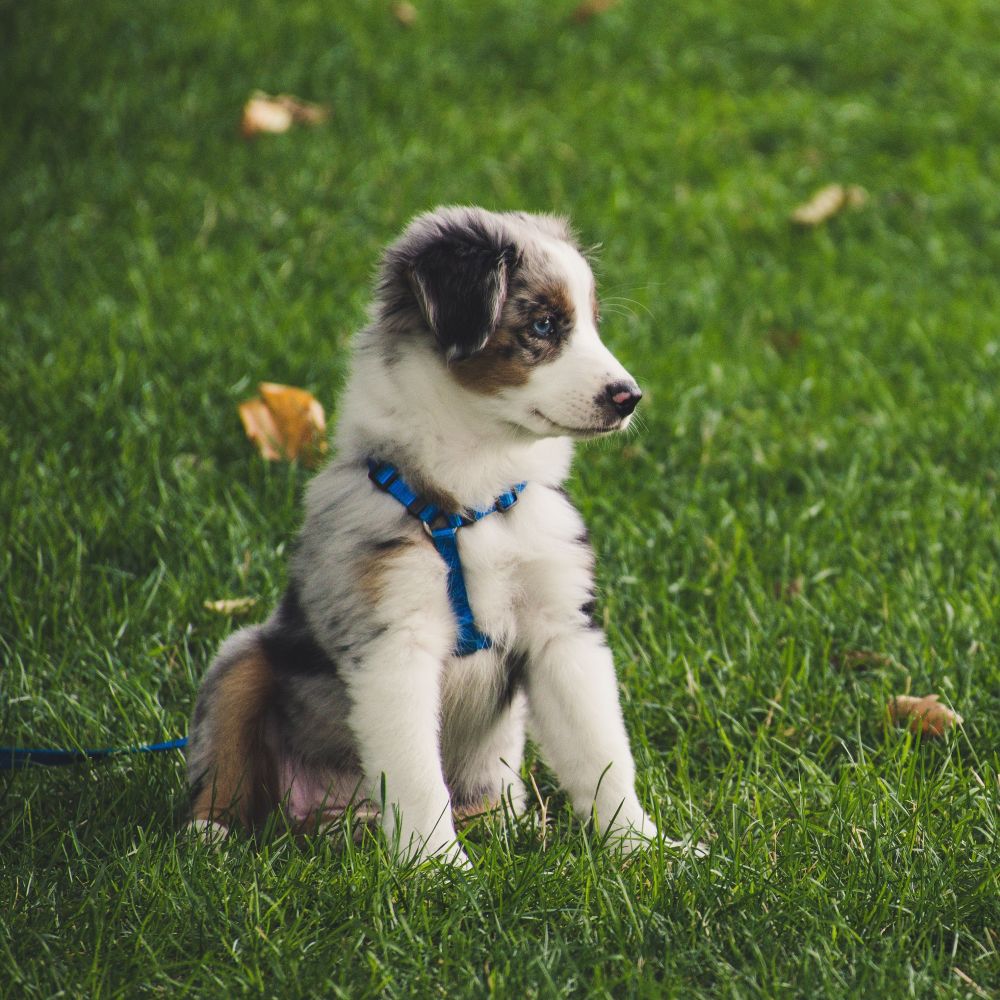
Always return back to your dog before praising him so that he learns that he is rewarded for that specific behaviour. You can move further away as training progresses and your dog understands the concept.
Wait
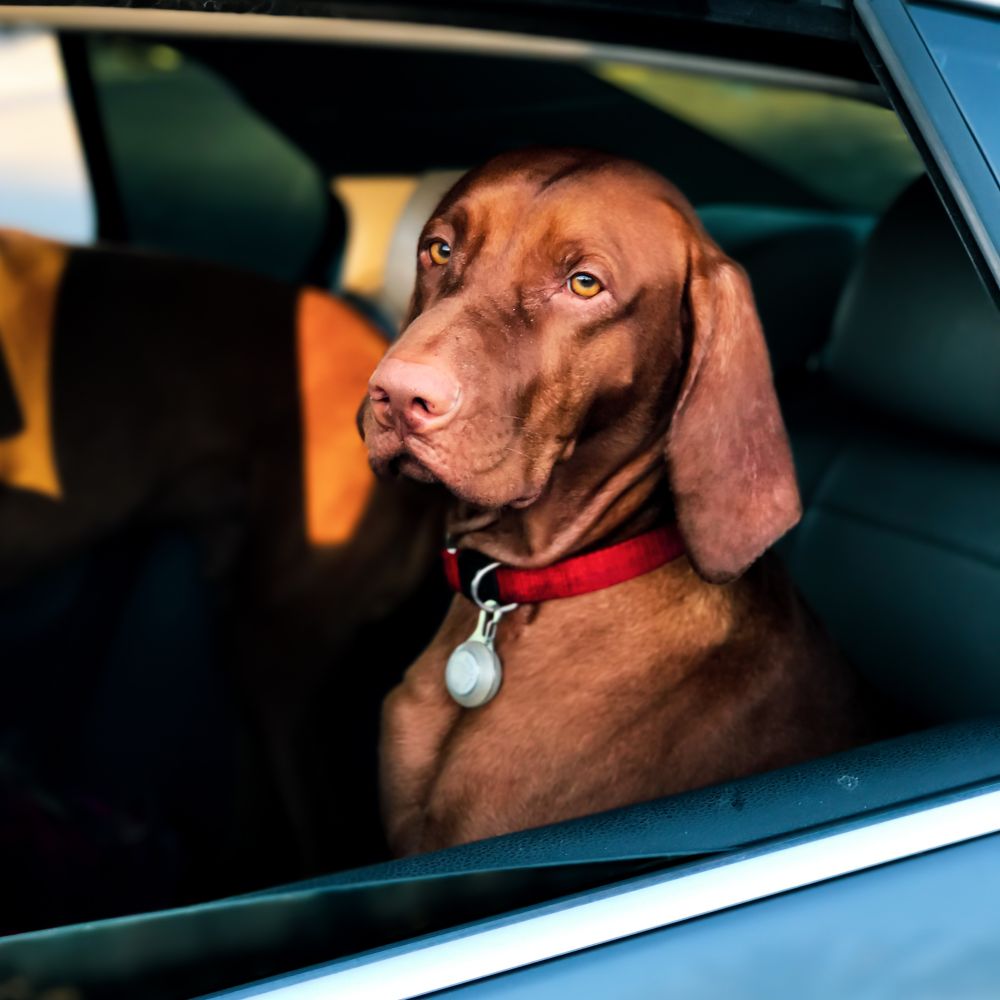
The reason I include “Wait” as a separate command is because the application thereof is slightly different to “Stay”. You will use “Wait” to create time. When going to the front door to leave, without “Wait” nothing stops your dog from charging out the door as you open it. “Wait” gives you the chance to open
the door and attach the lead or let your guests in. Putting his bowl of food safely on the floor without being knocked over or having your dog underfoot. It also works well when you are out on a walk and need to stop and check for traffic before crossing the road. To teach “Wait” you basically have to do just that. Walk to the door or kitchen say “Wait” and wait until your dog calms down and wait as well before continuing with your task. It can be useful to put your dog in a “Sit” while waiting until they understand the concept. “Wait” requires a release word for example “Okay” meaning that you can carry on with the tasks at hand. You can eat your food now or we can go out the door. Do not confuse “Wait” with “Stay”
Come
Never use “Come” as a method to summon your dog to discipline him. Associating the word with negative consequences will make your dog loath to obey it in the first place. When your puppy is still small, start by putting a long line on his collar. Sit a few feet away from him and

gently tug on the line while saying “Come”. It’s also a perfect follow on command for when your dog was in a “Stay” and you want him to return to you over distance. Once he has come to you, reward him for doing well with “Good Boy” and petting him. If you struggle with getting him to respond, use a bit more obvious reinforcement for reward by having his favourite squeaky toy or ball. He will come to recognise that he gets rewarded for doing it right. “Come” is one of the most important recall commands to practice because if your dog runs off and are potentially going to be in a dangerous situation, you need to be able to return him to you immediately over distance.
Wrapping up the session
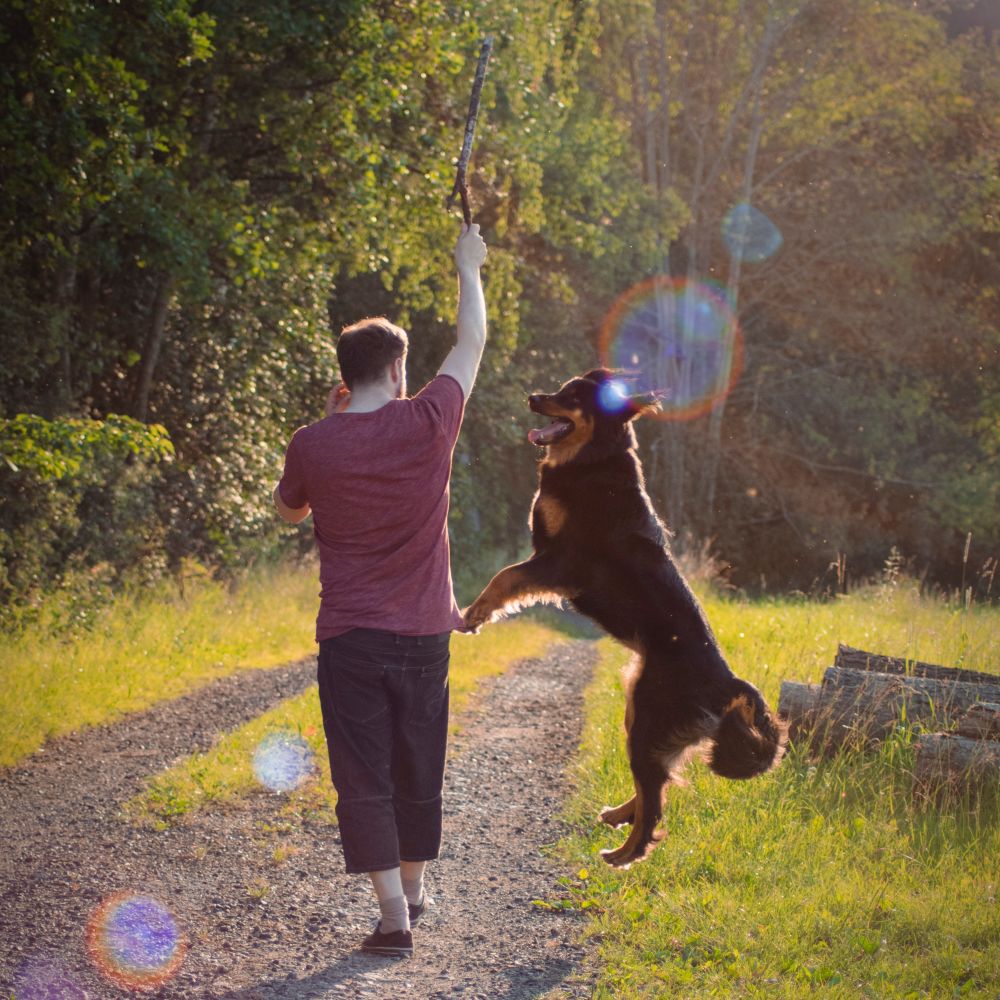
Always end your training sessions on a positive note. Ask your dog to do something he does well, praise him and end off with play. A dog that knows what is expected of him is a confident and happy dog. The effort is worth the reward.
Once you have mastered the basics,
you can continue to advanced training as well as trick training. Training is an ongoing process and is great for giving your dog much needed mental stimulation and strengthen the bond between you. If you need help with training, get help from a registered dog trainer with private lessons or try group classes.
 The Blue Poodle - Killarney